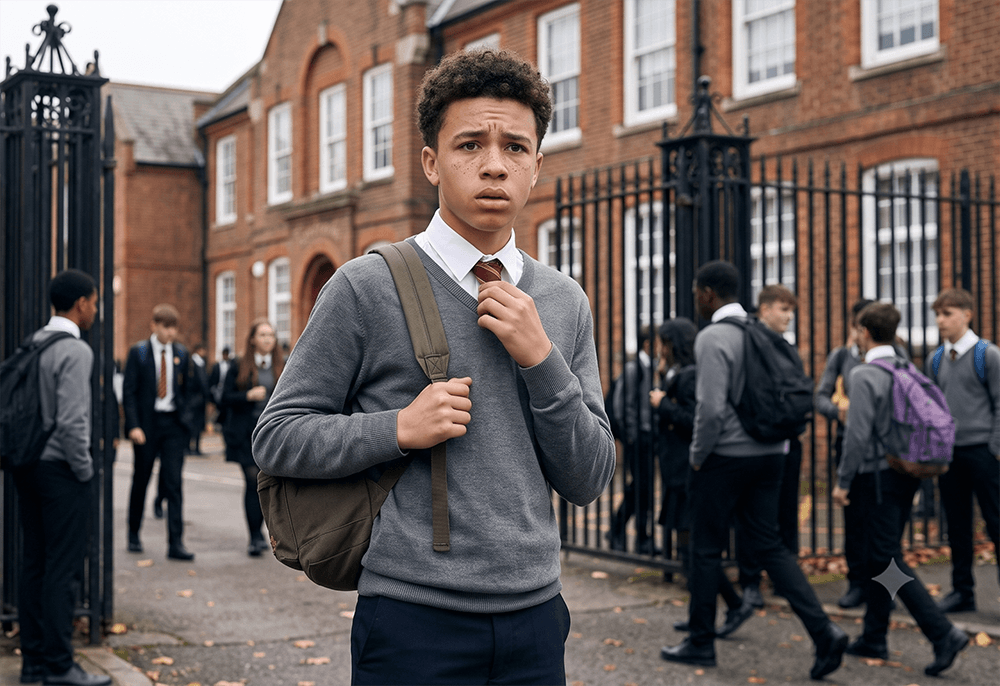
As we head into the summer holidays, many families’ thoughts turn towards the return to school or college. New uniforms are bought, bags are packed, timetables are checked and routines slowly begin to shift back into place.
For some, this transition is exciting. For many others, it brings uncertainty, worry and anxiety.
As a counsellor, I often see how periods of change can affect our emotional wellbeing. Whether your child is starting school for the very first time, moving to secondary school, beginning college or returning year after year, anxiety around education is incredibly common.
If you're a parent feeling worried too, you're not alone.
Why does going back to school feel so difficult?
Change can feel unsettling at any age. Going back to school often brings a number of unknowns:
- Fear of making friends
- Worries about fitting in
- Academic pressures
- Separation anxiety
- Changes in routine
- Bullying or previous negative experiences
- Sensory overload
- Increased expectations and independence
Young people don't always have the words to explain what they're feeling. Anxiety may instead show up as tummy aches, headaches, irritability, tears, withdrawal, difficulty sleeping, anger or refusing to attend school.
These aren't signs of a child being difficult. They're often signs that they're struggling.
When parents feel anxious too
Parents often carry their own worries while trying to support their children. You may wonder:
- "Will they make friends?"
- "Will they cope academically?"
- "Have I prepared them enough?"
- "What if they're unhappy?"
Watching your child struggle can leave you feeling helpless, guilty or overwhelmed. Many parents put enormous pressure on themselves to fix everything.
The reality is that children don't need perfect parents. They need adults who are willing to listen and able to communicate that all feelings are welcome.
Sometimes simply knowing that someone understands can make all the difference.
Supporting children with autism, ADHD and additional needs
For neurodivergent children and young people, returning to education can bring additional challenges.
Changes in routine, unfamiliar teachers, sensory environments, social expectations and unpredictability can all increase anxiety. What may seem like a small change to others can feel overwhelming to an autistic or ADHD child.
How I can help
Alongside my professional experience as a counsellor, I also understand this from a personal perspective. I have supported my own son, who is autistic and has ADHD, through the education system. I know first-hand that every child is unique, and that what works for one family may not work for another.
Over the years I've learned that preparation, curiosity and compassion are often far more helpful than pressure or punishment.
Helpful strategies may include:
- Visiting the school before term starts.
- Looking at photographs of classrooms and teachers.
- Using visual timetables or calendars.
- Practising new routines gradually.
- Talking honestly about worries without dismissing them.
- Allowing time to decompress after school.
- Working collaboratively with the school's SEN team where appropriate.
Most importantly, remember that behaviour is communication. When anxiety is high, children are doing the best they can with the resources they have.
Teenagers and college students need support too
It's easy to assume older young people should simply "get on with it", but adolescence brings its own emotional challenges.
Teenagers may worry about:
- GCSEs, A Levels or coursework
- Friendship groups
- Social media pressures
- Identity and belonging
- Body image
- Independence
- Future plans
Students starting college often experience a mixture of excitement and fear. They may be leaving familiar friendship groups, travelling independently or facing greater academic demands.
Many young people hide their anxiety because they don't want to appear weak or disappoint those around them.
Creating opportunities for open, judgement-free conversations can help them feel less alone.
How counselling can help
Counselling isn't about giving advice or telling someone what they should do. Therapy offers a confidential space where children, teenagers, young adults and parents can explore their thoughts and feelings at their own pace.
Feeling heard, accepted and understood can help people make sense of difficult emotions, build confidence and develop healthier ways of coping with change.
Sometimes the goal isn't to remove anxiety altogether. Anxiety is a normal human emotion. Instead, counselling can help people understand it, respond to it differently and feel more equipped to manage life's challenges.
A final thought
The beginning of a new school or college year can feel overwhelming, but it also offers opportunities for growth, resilience and new beginnings.
If your child, teenager or you as a parent are finding this transition particularly difficult, you don't have to navigate it alone.
Reaching out for support isn't a sign that you've failed. It's a sign that you're choosing to prioritise emotional wellbeing.
If you're looking for a space to explore what's going on, I'd be happy to talk with you.